
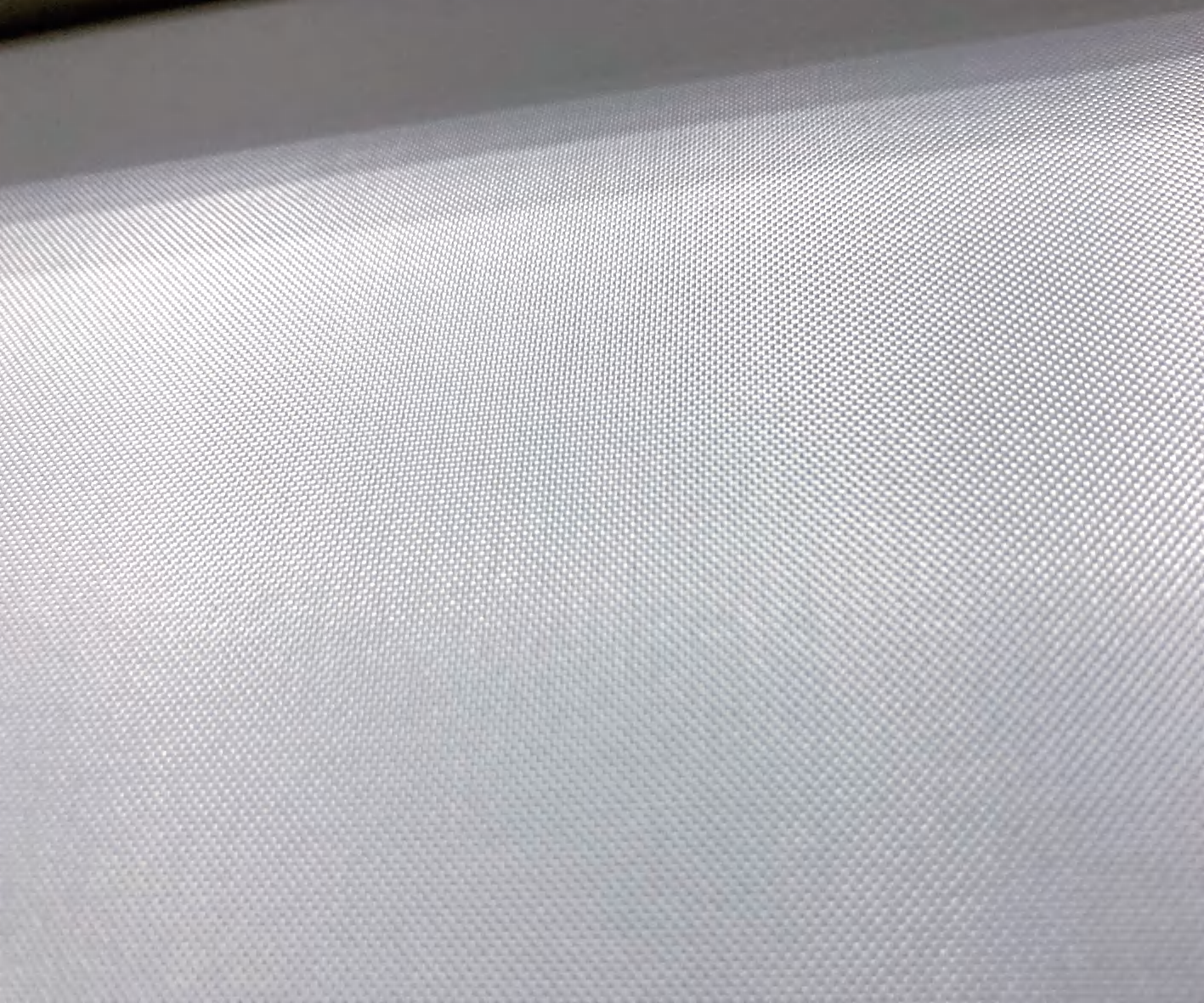
SAXOBRAN supplies electronic grade fiberglass cloth in plain-weave, dry roll form for resin impregnation and copper clad laminate production. Seven SA models are available for selection by thickness, basis weight and warp/weft construction.
The fabric is desized, surface treated and opened to support resin wet-out and fiber–resin bonding. The model and surface treatment should be selected against the intended resin system and lamination process.
Product Overview
- Product form: Dry woven glass cloth in rolls
- Weave: Plain weave
- SA models: SA7628M, SA7628L, SA7630, SA7667, SA1506, SA2116 and SA1080
- Nominal basis weight: 48–234 g/m², depending on the model
- Nominal dry-cloth thickness: 0.05–0.20 mm, depending on the model
- Main applications: CCL, prepreg and suitable electrical insulation laminate systems
Electronic Grade Fiberglass Cloth Specifications
Warp/weft values are shown in that order. These specifications describe the dry fabric. Confirm the current technical data sheet, test methods and acceptance criteria before ordering.
| SAXOBRAN model | Basis weight g/m² | Thickness mm | Thread count, warp / weft threads/in | Yarn, warp / weft | Tensile strength, warp / weft N/25 mm |
|---|---|---|---|---|---|
| SA7628M | 210 ± 3 | 0.18 ± 0.02 | 43.5 ± 2 / 33 ± 2 | G75 / G75 | ≥400 / ≥300 |
| SA7628L | 203 ± 3 | 0.18 ± 0.02 | 43.5 ± 2 / 31 ± 2 | G75 / G75 | ≥400 / ≥300 |
| SA7630 | 220 ± 3 | 0.19 ± 0.02 | 43.5 ± 2 / 37 ± 2 | G75 / G75 | ≥400 / ≥300 |
| SA7667 | 234 ± 5 | 0.20 ± 0.02 | 43.5 ± 2 / 38 ± 2 | G68 / G68 | ≥450 / ≥350 |
| SA1506 | 164 ± 2 | 0.14 ± 0.02 | 47 ± 2 / 46 ± 2 | E110 / E110 | ≥300 / ≥300 |
| SA2116 | 105 ± 2 | 0.10 ± 0.015 | 60 ± 2 / 60 ± 2 | E225 / E225 | ≥200 / ≥200 |
| SA1080 | 48 ± 2 | 0.05 ± 0.01 | 60 ± 2 / 49 ± 2 | D450 / D450 | ≥90 / ≥70 |
Width: 1270 mm (+10/−0)
Specified roll length: ≥2000 m
Maximum joints: 1
Minimum spliced section length: 300 m
Maximum feathered edge width: 5 mm
Additional Quality Specifications
| Model | Organic content, % | Weft bow |
|---|---|---|
| SA7628M | 0.08 ± 0.04 | ≤1.5% |
| SA7628L | 0.08 ± 0.04 | ≤1.5% |
| SA7630 | 0.08 ± 0.04 | ≤1.5% |
| SA7667 | 0.08 ± 0.04 | ≤1.5% |
| SA1506 | 0.08 ± 0.04 | ≤2.0% |
| SA2116 | 0.1 ± 0.04 | ≤2.0% |
| SA1080 | 0.12 ± 0.05 | ≤2.0% |
Dry-cloth thickness is not the cured laminate thickness. Organic content is reported as specified and is not the resin content of prepreg. Agree inspection definitions and test conditions before ordering.
Compare 7628, 2116 and 1080 Fiberglass Cloth Models
Start with the required fabric construction, then evaluate resin pickup, handling and the finished laminate. Model numbers alone do not determine the performance of a PCB.
SA1080 and SA2116: Lighter constructions with nominal weights of 48 and 105 g/m² and nominal thicknesses of 0.05 and 0.10 mm. Consider these when evaluating lower fabric weight and thinner dry reinforcement. Confirm resin content and pressed-layer thickness in the intended laminate build.
SA1506: An intermediate construction with a nominal weight of 164 g/m² and nominal thickness of 0.14 mm, using E110 yarn in both directions. Compare it with your current reinforcement and impregnation requirements.
SA7628M, SA7628L, SA7630 and SA7667: Heavier constructions with nominal weights from 203 to 234 g/m² and nominal thicknesses from 0.18 to 0.20 mm. Compare thread count, yarn and directional tensile requirements.
For 7628 fiberglass cloth inquiries, specify SA7628M or SA7628L. They share the same stated thickness of 0.18 ± 0.02 mm, but their basis weights and weft counts differ. For 2116 and 1080 constructions, use SA2116 and SA1080. Confirm the finish and acceptance specification with the complete model.
Woven Fabric Structure
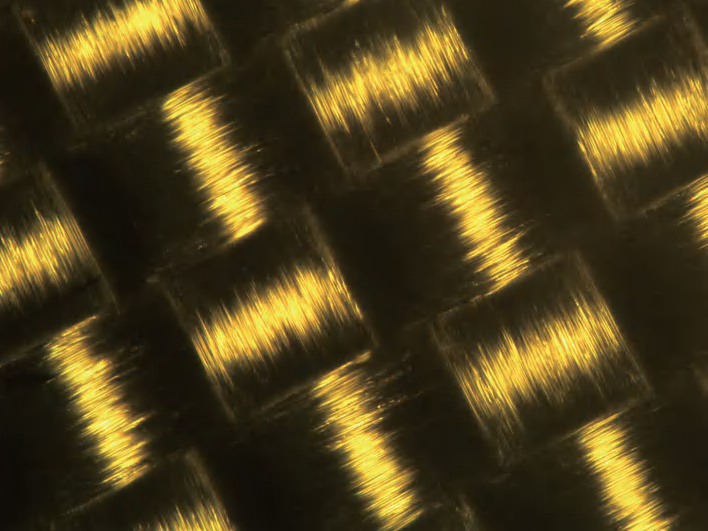
The plain-weave construction interlaces warp and weft yarns. Use the thread count, yarn specification and fabric weight together when comparing reinforcement constructions.
Surface Treatment and Resin Compatibility
The electronic fiberglass fabric is woven from electronic-grade glass yarn on an air-jet loom. Desizing removes the weaving size before surface treatment. Fiber opening supports access of the resin to the yarn structure, while a silane coupling treatment supports the glass–resin interface.
Before selecting fiberglass cloth for PCB substrates or glass fabric for CCL production, confirm the treatment supplied for the chosen model and evaluate wet-out, adhesion and processing behavior with the intended resin formulation.
- Resin chemistry and target resin content
- Impregnation viscosity, line speed and drying profile
- Required surface quality and laminate construction
- Electrical, thermal and reliability acceptance tests
From Glass Cloth to Copper Clad Laminate
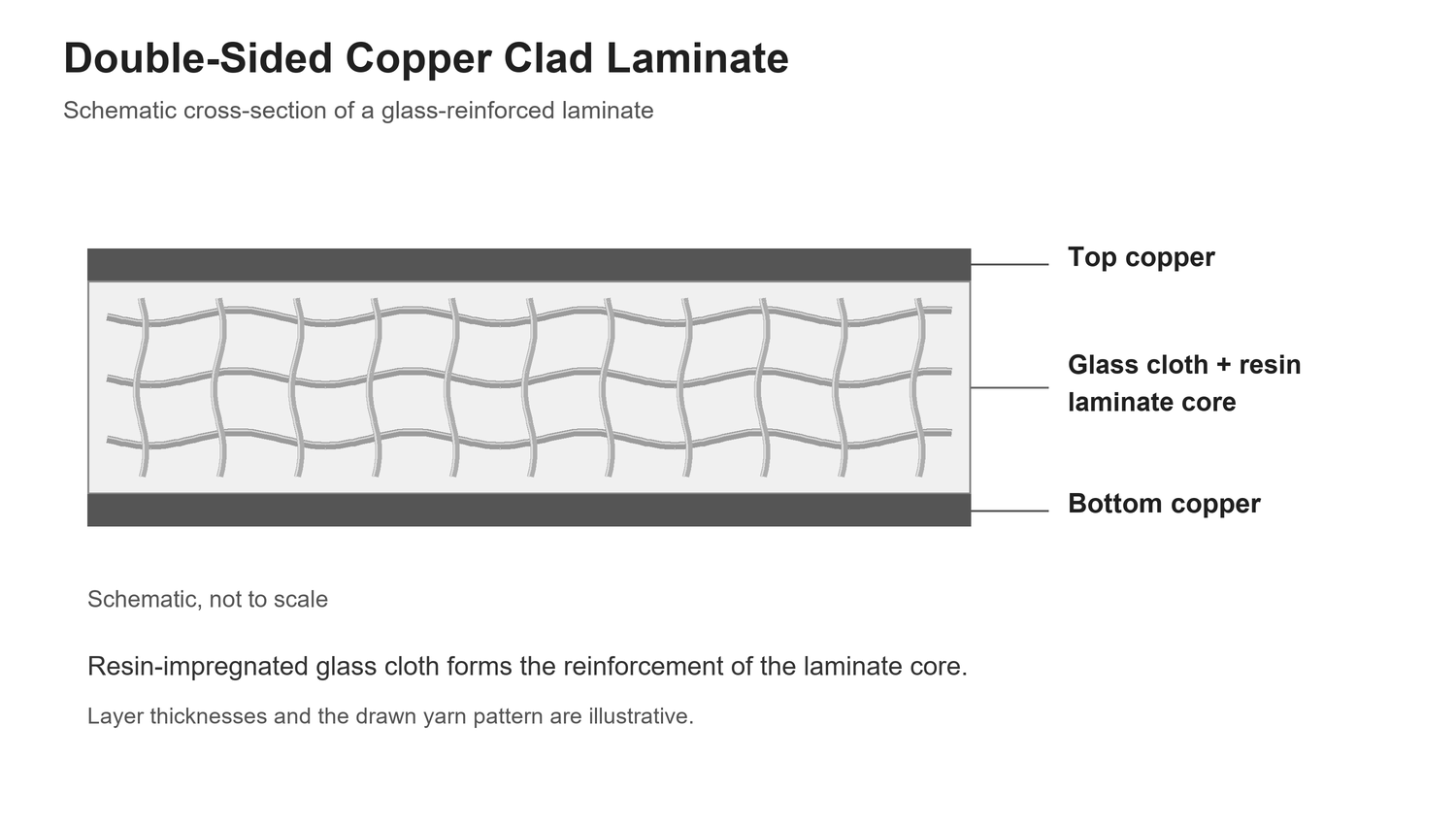
Typical conversion route: Dry woven glass cloth → Resin impregnation and B-staging (drying and partial curing) → Prepreg → Lay-up with copper foil and hot pressing → Copper clad laminate → PCB fabrication.
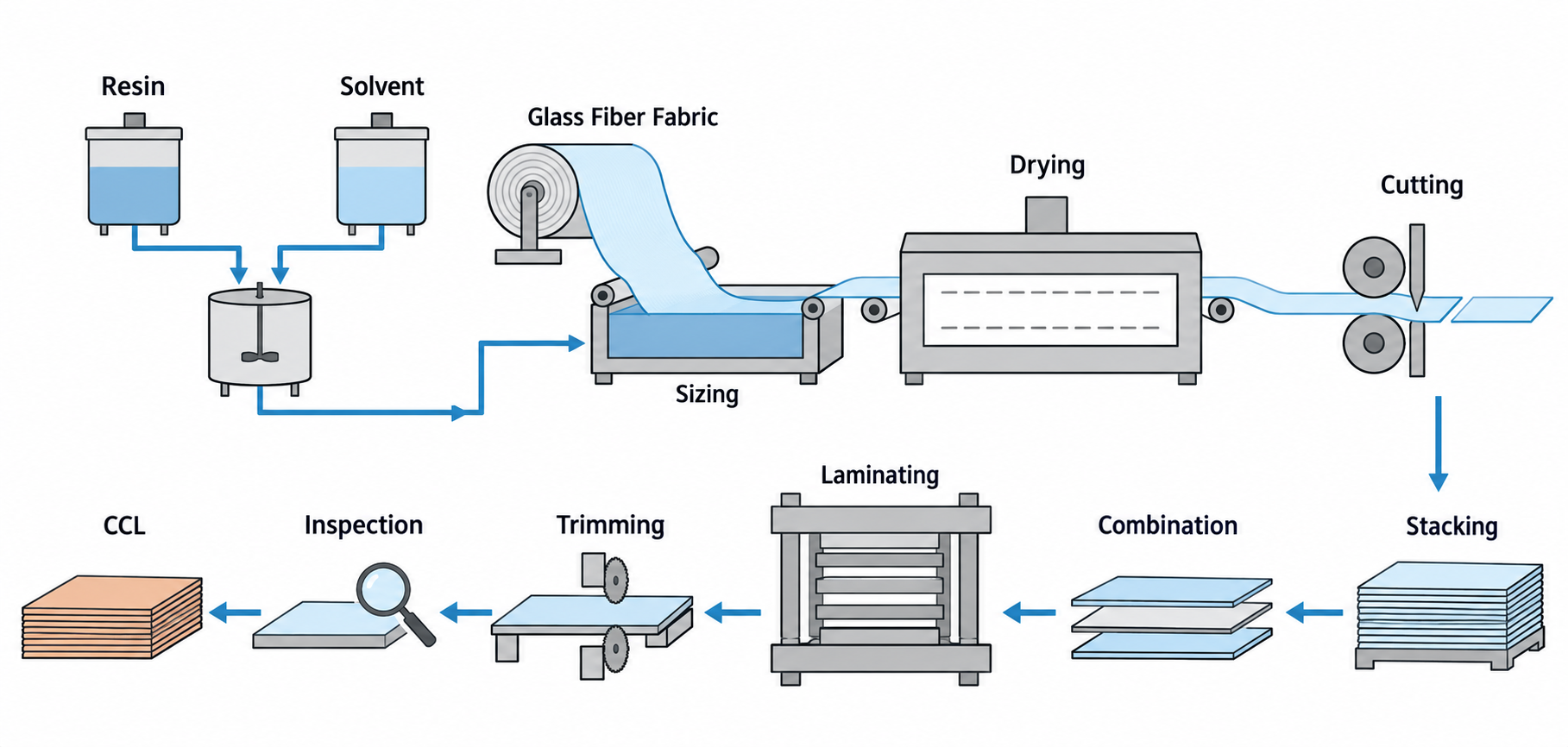
The supplied material is dry glass cloth. Prepreg, CCL and the finished PCB are downstream materials with their own specifications.
Applications
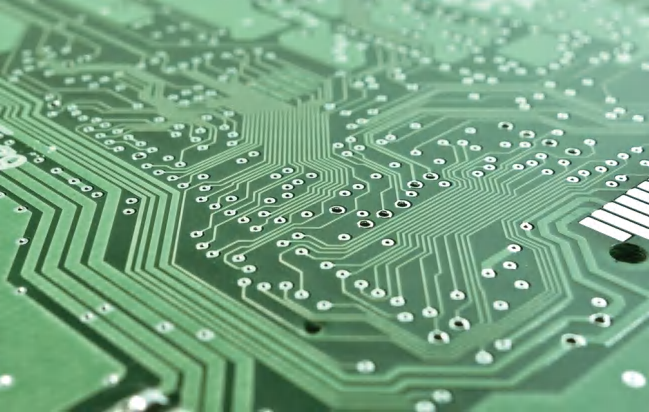
Copper clad laminates: Woven reinforcement for resin-based glass-fabric laminate structures used in PCB manufacturing. Confirm the fabric, finish and laminate qualification requirements together.
Prepreg production: Dry fabric for subsequent resin impregnation. Evaluate resin penetration, fabric handling and required intermediate-material properties.
Electrical insulation laminates: Reinforcement for suitable resin-based electrical laminate systems, subject to application-specific processing and finished-material testing.
Final electrical insulation, flame performance, operating temperature and high-frequency suitability depend on the complete material system and its verification.
Quality Control and Roll Supply
Specify the properties that matter to your conversion process: width, area weight, thickness, thread count, directional tensile strength, organic content and weft bow. Include fabric cleanliness, broken or skipped yarns, stains, holes, creases and edge condition in the agreed appearance criteria.
Confirm the test methods, sampling plan, lot-release documents, actual roll arrangement, core dimensions, packaging and storage conditions before ordering. Sample quantities, minimum order quantity and lead time are confirmed against the selected model and order requirements.
Frequently Asked Questions
Is this dry fiberglass cloth or PCB prepreg?
It is supplied as dry woven glass cloth for subsequent resin impregnation and laminate production. Prepreg contains a resin system and is a different material form.
How do I choose between 7628, 2116 and 1080 fiberglass cloth?
Compare the complete SA model specifications, especially fabric thickness, basis weight, thread count and yarn. SA1080 and SA2116 are lighter constructions than the SA7628 models. The final choice also depends on resin content, handling and the required laminate build.
What is the difference between SA7628M and SA7628L?
Both have a stated thickness of 0.18 ± 0.02 mm. SA7628M has a basis weight of 210 ± 3 g/m² and a weft count of 33 ± 2 threads/in; SA7628L has a basis weight of 203 ± 3 g/m² and a weft count of 31 ± 2 threads/in. Their stated warp count is 43.5 ± 2 threads/in.
Can the cloth be used with my resin system?
Confirm the surface treatment and your resin formulation before selection. Resin chemistry, impregnation viscosity, curing conditions and required laminate performance should be evaluated together. Request a model-specific review rather than assuming compatibility from the cloth number.
Does dry-cloth thickness equal the final PCB dielectric thickness?
No. Cured-layer thickness also depends on resin content, the laminate construction and pressing conditions. Use the dry-fabric value as a selection input and validate the pressed material separately.
What information is needed for a sample or quotation?
Send the complete SA model or target construction, intended application, resin system, required width and roll length, quantity and delivery destination. Add your current technical specification and required inspection documents when available. Sample arrangements, minimum order quantity and lead time are confirmed with the quotation.
Discuss Your Electronic Fiberglass Cloth Requirements
Send the complete SA model or target thickness and weight, resin system, intended application, roll dimensions, quantity and delivery destination. Add your current technical specification and required inspection documents when available.