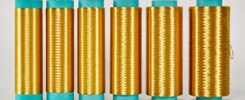
Saxobran supplies nickel coated carbon fiber and nickel plated carbon fiber tow for projects where conductivity, shielding performance and lightweight design all matter.
This material is often considered for EMI shielding materials, conductive composites, conductive plastics, lightweight cable development, heating structures and metal matrix composite systems. It is useful when a design requires lower resistance or higher surface conductivity than uncoated carbon fiber can provide, while conventional metal wire, mesh or powder would add too much weight or make processing less convenient.
We can supply continuous tow, bobbin, spool, chopped fiber, fabric and prepreg forms according to the way the material will be processed.
Product Forms We Supply
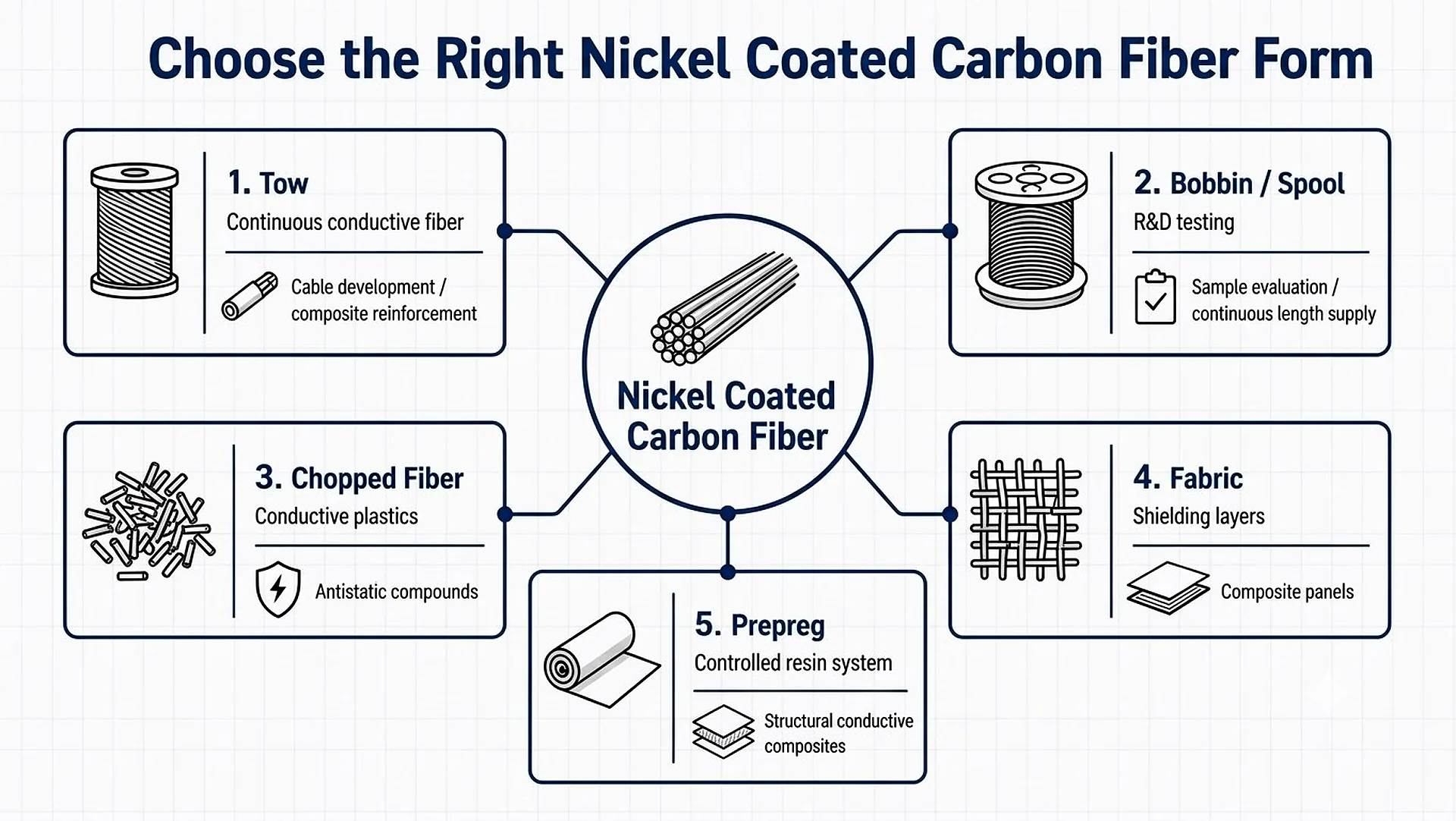
How to Choose the Right Form
| Requirement | Suggested Form |
|---|---|
| Continuous conductive reinforcement, cable structures or conductive layers | Tow |
| R&D sample evaluation and continuous length testing | Bobbin / Spool |
| Conductive plastics, compounding or filler-type applications | Chopped fiber |
| Large-area shielding layer or conductive composite panel | Fabric |
| Controlled resin content and stable composite intermediate material | Prepreg |
The suitable form depends on the processing route, target resistance, required fiber length, resin or matrix system and final application.
Note: In this page, nickel coated carbon fiber and nickel plated carbon fiber refer to carbon fiber with a nickel layer applied to improve conductivity and shielding performance. Buyers may use both terms when searching for this type of conductive carbon fiber material.
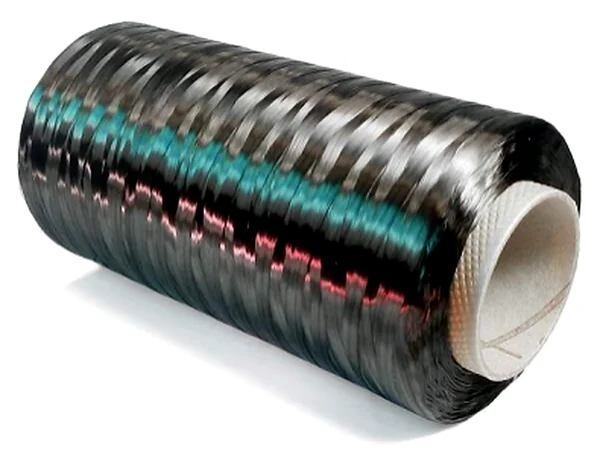
In our experience, nickel plated carbon fiber tow is usually the first form to check when a project needs continuous conductive fiber. It can be further processed into cable structures, composite reinforcement, conductive layers, heating elements or shielding parts.
Available options include:
- 12K nickel plated carbon fiber tow
- 24K nickel plated carbon fiber tow
- Common nickel content is around 50–55 wt% of the finished coated fiber
- Untwisted tow available
- 24K bobbin option: 1500 m per bobbin
- Custom nickel content available upon request
Typical Tow Supply Information
Available tow configurations include 3K, 12K and 24K options, subject to the selected product and current availability. Common nickel content is around 50–55 wt% of the finished coated fiber. Longitudinal resistance, linear density, base-fiber type and package length are confirmed for the selected configuration and stated in the relevant technical data or quotation.
Data note: Unless otherwise stated, nickel content is expressed as wt% of the finished coated fiber, and resistance refers to longitudinal tow resistance. Confirm gauge length, contact method, tow tension, temperature and other test conditions when comparing supplier data. Where mechanical properties are provided, the technical data will state whether they refer to the uncoated base fiber or the finished nickel-plated tow.
For 24K nickel plated carbon fiber tow or bobbin requirements, detailed parameters can be provided according to the available base-fiber type, nickel content, bobbin length and application.
If you are still testing the structure, tow form gives more flexibility than a finished fabric or prepreg. The final choice usually depends on resistance, length, nickel content and the processing method.
Nickel Coated Carbon Fiber Bobbin / Spool
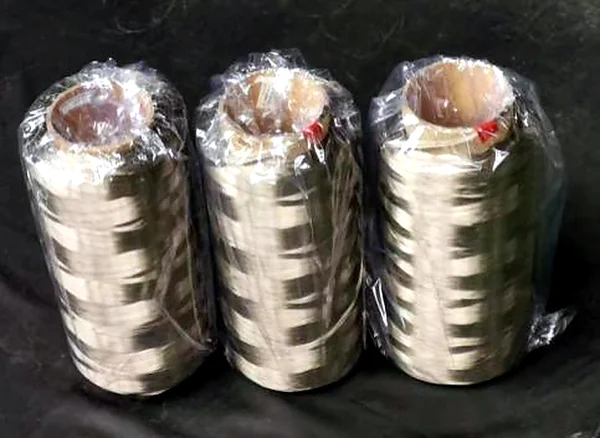
For R&D testing, sample evaluation and small-batch production, Saxobran can supply nickel coated carbon fiber spool and nickel plated carbon fiber bobbin packaging.
This format is useful when the buyer needs a continuous length of fiber for trial production, lightweight cable development or conductive composite testing. Before quotation, we usually suggest confirming the required bobbin length, quantity and application.
Chopped Nickel Coated Carbon Fiber
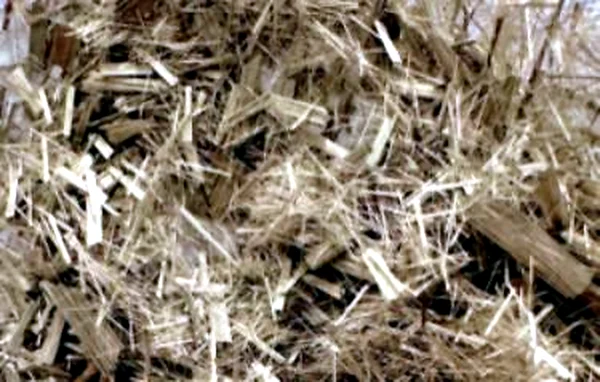
If the material needs to be mixed into plastic, resin or another matrix system, we usually suggest chopped nickel coated carbon fiber instead of continuous tow.
Typical chopped supply is based on available nickel-plated carbon fiber tow and can be discussed in a 2 mm length. Tow size, nickel content, source-tow resistance and any alternative length requirement are confirmed for the selected configuration before quotation.
For chopped nickel coated carbon fiber, the resistance values above refer to the source tow before chopping, not the volume resistivity of the chopped compound. If volume resistivity or final compound conductivity is required, it should be tested according to the customer’s resin system, fiber loading, dispersion condition and molding process.
It is commonly considered for:
- Conductive plastics
- Antistatic compounds
- EMI shielding composites
- Reinforced thermoplastics
- Conductive and heating filler systems
This form is more suitable for compounding, molding or filler-type applications.
Nickel Plated Carbon Fiber Fabric
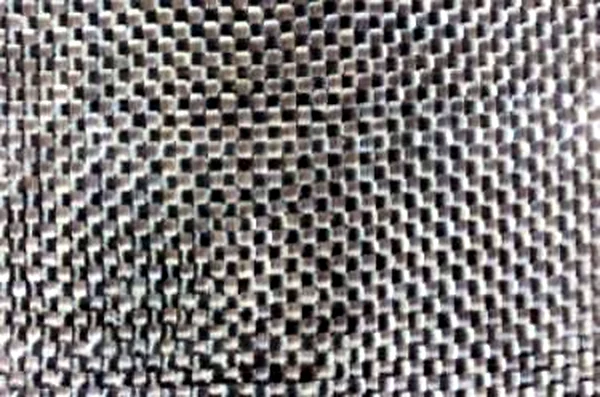
Nickel plated carbon fiber fabric is useful when the design needs a larger conductive surface. It can be placed into composite panels, shielding layers, electronic enclosures or lightweight structural components.
When surface coverage and layer control are important, we usually suggest fabric form instead of loose fiber. Nickel-plated carbon fiber fabric is supplied according to the required surface coverage and composite process.
Available areal weight, width, weave, tow arrangement, nickel content and product code are confirmed for the selected construction before quotation.
Nickel Plated Carbon Fiber Prepreg

Nickel plated carbon fiber prepreg is suitable when the project needs controlled resin content, fiber alignment and conductive reinforcement in the same material.
Nickel-plated carbon fiber prepreg configurations are discussed on a project basis. Before sampling or quotation, we confirm whether an available resin system, resin content, width and processing window are suitable for the intended application.
It is usually considered for composite structures where loose fiber handling is not convenient, or where the process requires a more stable intermediate material.
Prepreg availability and processing requirements are confirmed for the selected project before sampling or quotation. Processing conditions should not be assumed from generic carbon fiber prepreg data.
Key Features for Conductive and Shielding Applications
- Good electrical conductivity
- Suitable for shielding and conductive composite applications
- Can enable lower-weight conductive structures than conventional all-metal solutions
- Can be used in resin, plastic and composite systems
- Available in tow, bobbin, spool, chopped fiber, fabric and prepreg forms
- Nickel content can be adjusted according to the application
- Sizing can be discussed according to the resin or process system
Technical Data and Selection Information
We can provide technical data according to the required tow size, base-fiber type, nickel content, resistance, sizing and packaging form. Other tow sizes, including 24K, can be discussed according to the project requirement.
For chopped fiber, linear density and resistance values are based on the source tow before chopping unless otherwise specified.
Before quotation or sampling, we normally check:
- Tow size / base-fiber type: 3K, 12K or other tow sizes such as 24K, depending on the project
- Product form: tow, bobbin, spool, chopped fiber, fabric or prepreg
- Required nickel content (wt% of the finished coated fiber)
- Bobbin length or package requirement
- Resin system or processing method
- Final application
For metal matrix composite applications, sizing compatibility, coating stability, fiber damage risk and processing temperature should be evaluated separately with the selected metal system.
Customization and Supply Support
For different processing routes, we can discuss nickel content, sizing, tow form, packaging length and sample quantity before quotation. Common nickel content is around 50–55 wt% of the finished coated fiber; other nickel contents can be discussed according to conductivity, weight and processing requirements.
Applications
EMI Shielding Materials
Nickel coated carbon fiber can be used in EMI shielding materials for electronic equipment, electrical enclosures, battery-pack enclosures, control electronics and composite shielding structures.
The material helps build conductivity into the structure itself. This is useful when the part needs shielding performance, but the design still has to stay light and processable.
Conductive Composites
In conductive composites, nickel plated carbon fiber can provide conductive pathways and may also contribute to reinforcement, subject to validation in the finished composite structure.
The suitable form depends on the process. Tow may be used for continuous structures, chopped fiber for compounding, and fabric or prepreg for layered composite parts.
Conductive Plastics
Chopped nickel coated carbon fiber can be used in conductive plastics and antistatic compounds.
This is worth considering when a plastic part needs better conductivity, static dissipation or shielding performance, but the design does not want to rely only on metal powder or metal wire.
Lightweight Cable Development
For lightweight cable shielding, conductive braid and experimental conductor structures, nickel plated carbon fiber tow offers a balance of low weight, flexibility and conductivity.
This direction is normally evaluated in R&D or prototype testing when conventional metallic shielding or conductors add too much weight, or when the cable structure needs a continuous conductive fiber material.
The intended function—shielding, static dissipation, grounding or current carrying—must be defined and tested separately. This material is not presented as a direct replacement for all copper or aluminum conductors.
Medical Cable R&D and Extruded Wire Development
Nickel plated carbon fiber tow may be evaluated as a conductive or shielding component in medical cable R&D and extruded-wire prototypes where a continuous conductive fiber is required for engineering evaluation.
For this type of project, the intended electrical function, tow size, nickel content, resistance, flexibility, bobbin length and compatibility with the customer’s extrusion or cable-making process should be confirmed first.
This product is supplied only as an engineering material for customer evaluation. It is not represented as a certified medical-device or implantable material. Medical certification, biocompatibility, patient-contact suitability and final device approval must be confirmed separately for the customer’s application and regulatory market.
Static Dissipation and Lightning Protection R&D
Nickel coated carbon fiber may be evaluated for static dissipation and lightning-protection composite structures when lightweight conductive reinforcement is required. It should not be presented as a direct substitute for a conventional grounding conductor.
For lightning or grounding-related R&D, buyers must confirm resistance, nickel content, tow size, base-fiber type, current-carrying requirement, connection design, final assembly method and the applicable electrical and safety standards. 12K and 24K tow options, as well as different nickel content ranges, can be discussed for material-level evaluation. Suitability must be validated at the finished assembly or system level.
For early-stage R&D, start with the target resistance, required tow format, sample length and intended electrical function before selecting the final nickel plated carbon fiber grade.
Heating and Conductive Structures
Because of its conductivity, nickel coated carbon fiber can also be used in heating cables, resistive heating structures and electric heating composite materials.
The final design usually depends on resistance, tow structure, nickel content, insulation design, thermal design and processing method.
Metal Matrix Composites
Nickel coating may improve wettability and interfacial compatibility between carbon fiber and selected metal matrix systems while also providing an electrically conductive surface.
The actual bonding, reaction behavior and composite properties depend on the metal matrix, coating condition and processing temperature and must be validated for the selected system.
FAQ
Request Technical Data Sheet
Tell us your required tow size, product form, nickel content, target resistance, quantity, bobbin length, processing method and application.
We can help recommend a suitable nickel coated carbon fiber grade for your shielding, conductive composite, conductive plastic or lightweight cable project.
For engineering evaluation, you can request the available TDS, test conditions, SEM images, sample availability and quotation support.
When comparing conductive fiber options, use the same nickel-content basis and resistance test conditions. SEM images and technical data can help confirm whether the nickel plated carbon fiber surface, resistance range and product form are suitable for your process.